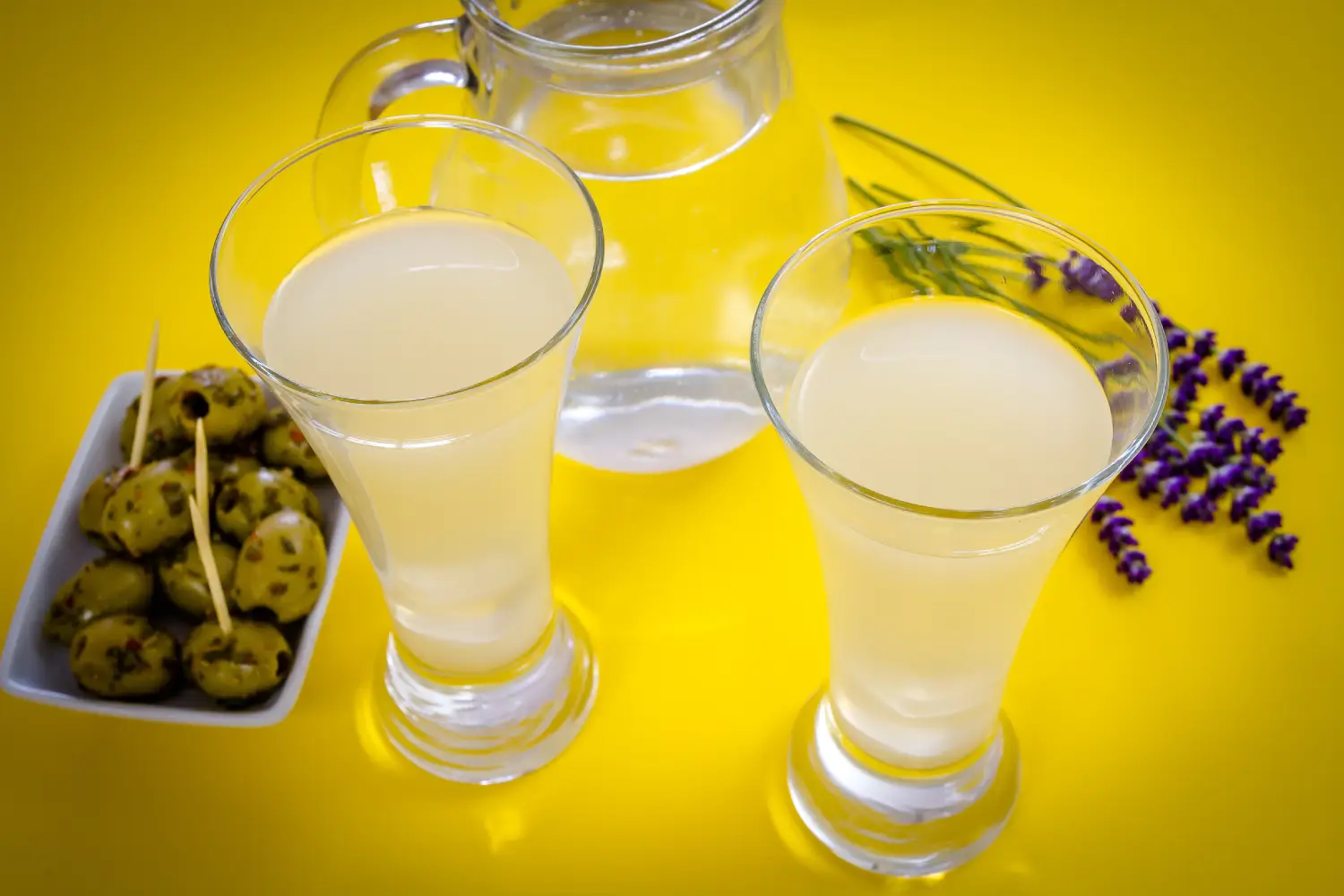
- So, What is Pastis?
- The History and Origins of Pastis
- How is Pastis Made?
- How to Drink Pastis: The Traditional Way
- Popular Pastis Brands and Varieties
- Pastis vs. Other Anise Spirits
So, What is Pastis?
Pastis is an anise-flavored spirit and aperitif from France, typically clocking in at 40-45% alcohol . It is traditionally made by macerating star anise, licorice root, and various herbs. The name itself comes from the Provençal word pastisson, meaning ‘mixture’.
But the real magic happens when you add water. The clear, golden liquid instantly transforms into a cloudy, milky white. This transformation has a name: the louche effect, also known as the Ouzo effect for other mixtures.
Key Characteristics of Pastis:
- Alcohol content: 40-45% ABV
- Primary flavor: Anise (licorice-like taste)
- Color: Clear to pale yellow when neat, cloudy white when diluted
- Origin: France, between Avignon and Marseille, depending on who you’re asking
- Serving method: 2 to 5 parts cold water added to 1 part pastis
The Official Rules: What Makes a Pastis a “Pastis”?
If we want to be more technical, “Pastis” isn’t just a generic name; it’s a legally protected designation with specific rules defined by the European Union.
There are two official categories:
Pastis:
- Minimum 40% ABV
- Anethole level: 1.5–2 grams per liter
- Contains natural licorice root extracts (with specific chalcones and glycyrrhizic acid requirements)
- Less than 100g sugar per liter
Pastis de Marseille:
- Minimum 45% ABV
- Anethole level: 1.9–2.1 grams per liter (for a pronounced anise taste)
- Same licorice and sugar requirements as Pastis
The Pastis de Marseille designation therefore guarantees a more intense, traditional expression of the spirit.
Find the full technical details in the official EU Regulation 2019/787
The History and Origins of Pastis
Pastis has deep roots in French culture, dating back to the early 20th century, though its story begins much earlier with absinthe. When absinthe was banned in France in 1915 due to health concerns, distillers needed an alternative to satisfy the French appetite for anise-flavored spirits.
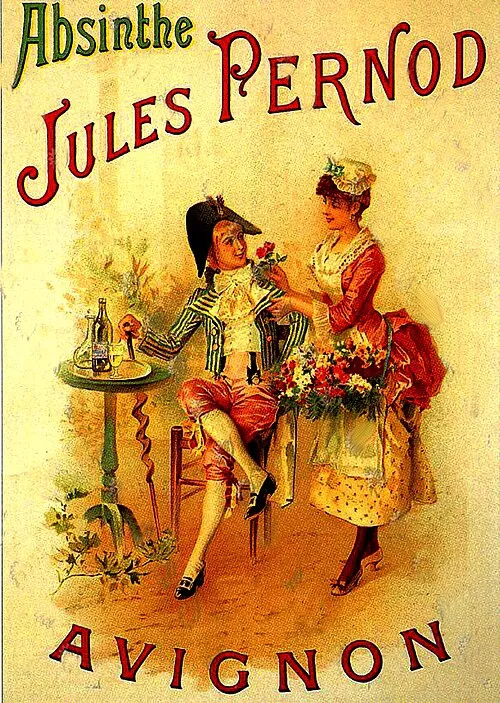
Poster made by Pernod to promote its absinthe, around 1900.
Timeline of Pastis:
- 1915: Absinthe is banned in France, following the trial of the Fée Verte, a drink that supposedly make people go mad.
- 1918: Pernod, a distillery from Avignon, creates the first anise-flavored spirit. Several other distilleries will follow.
- 1932: Paul Ricard creates his famous own Recipe in Marseille and give it a new name: Pastis!
- 1951: After several years of ban following the war, 45% ABV Pastis is allowed again. Pernod launches its own: Pastis 51.
- 1975: Pernod and Ricard join forces to form the company Pernod-Ricard.
- 1980s-Today: Pastis remains France’s most popular aperitif, and many new regional distilleries have been created over the years. Checkout our Distillery Map!
The most famous Pastis brand, Ricard, was created by Paul Ricard in 1932 in Marseille. His recipe became so popular that “Ricard” is often used interchangeably with “Pastis” in France, similar to how “Aspirin” represents painkillers in the US.
How is Pastis Made?
The production of pastis involves a careful distillation and blending process that creates its distinctive flavor profile:
Main Ingredients:
- Star Anise and/or Green Anise: The primary flavoring agent
- Licorice root: Adds sweetness and depth
- Fennel: Contributes to the complex anise flavor
- Neutral alcohol: The base spirit
- Sugar, sometimes Cinnamon: For sweetness and body
- Additional herbs: May include coriander, cardamom, sage, and other herbs from the Provence area
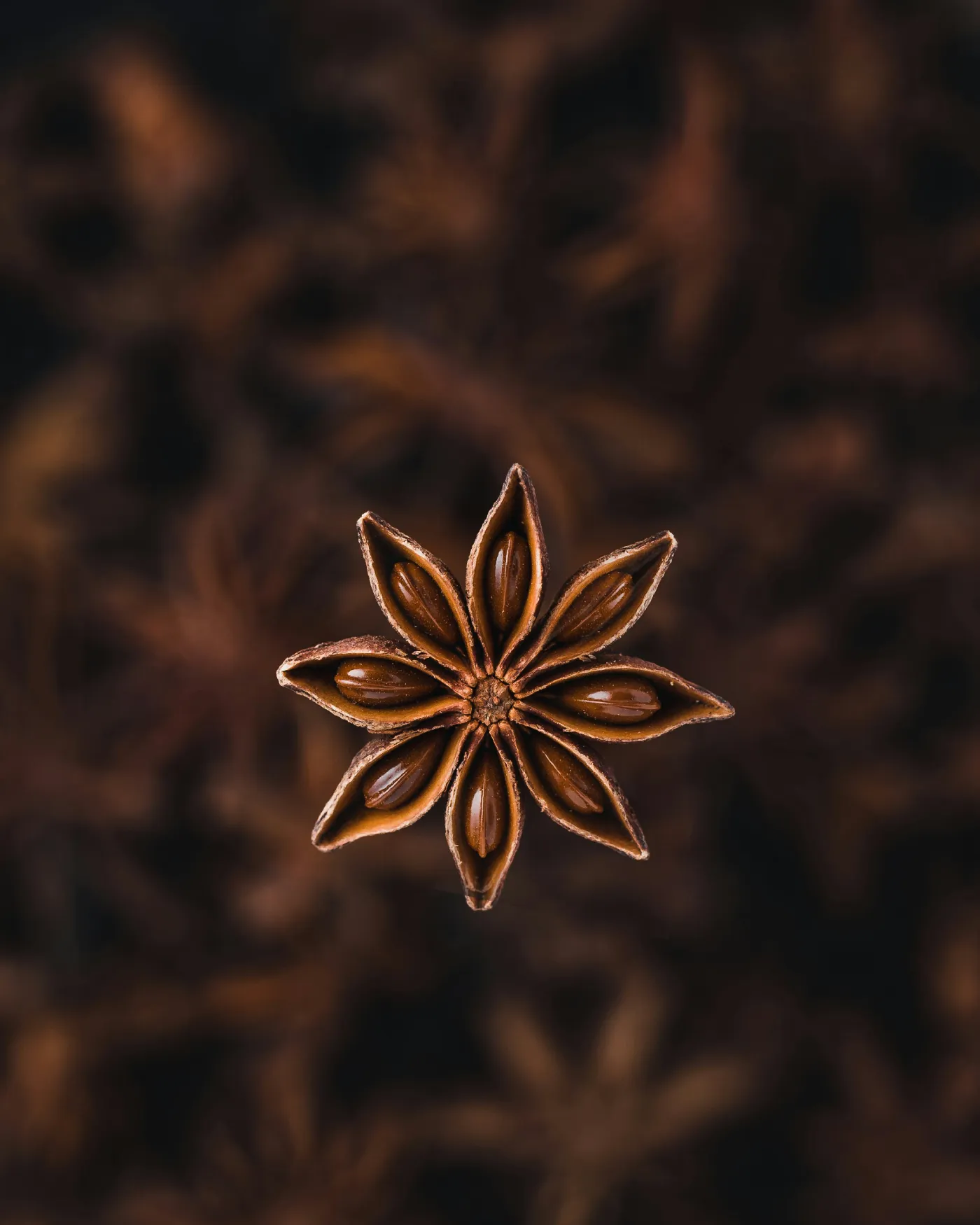
Star Anis, Pastis’ main ingredient. It is native to South China and Vietnam.
Production Process:
- Maceration and/or Distillation: Herbs and spices are soaked in neutral alcohol and go through distillation to concentrate the flavors
- Sweetening: Sugar is added to achieve the desired taste profile
- Aging: Most producers age their pastis for several months to marry the flavors
- Bottling: The final product is bottled
Soon we will share with you our best homemade Pastis recipes!
How to Drink Pastis: The Traditional Way
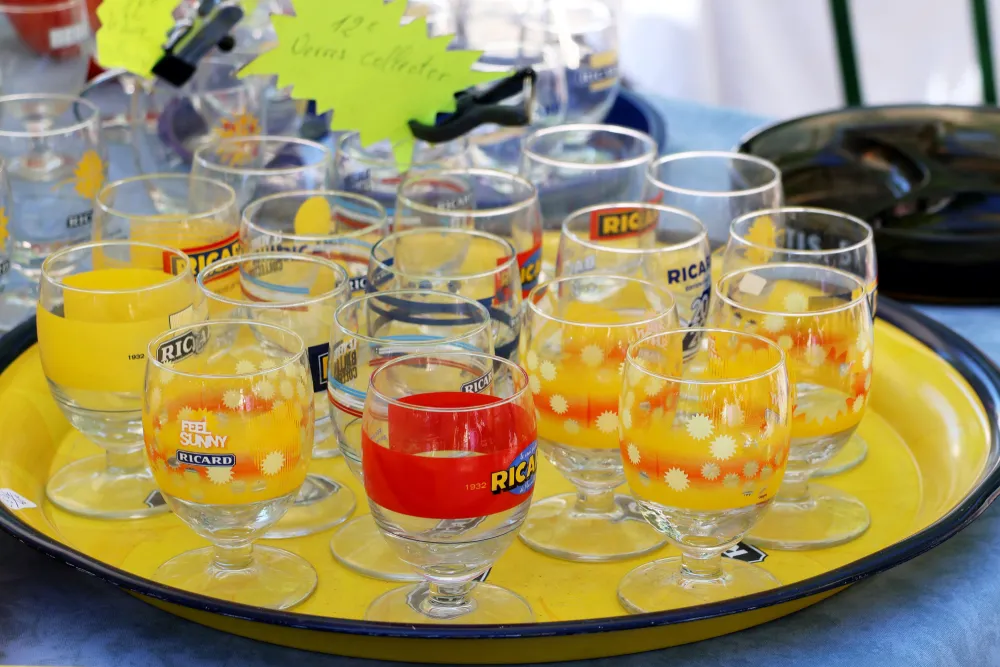
The small and wide glass shape is usually found in cafes.
Pastis has a specific ritual associated with its consumption that’s deeply embedded in French culture:
- Pour pastis: Add 1-2 parts pastis to a glass
- Add ice: Place ice cubes in the glass
- Add water: Slowly pour 3-5 parts cold water, depending on how strong you want it to be
- Watch the transformation: Enjoy the cloudy metamorphosis
- Sip slowly: Savor the drink, in moderation!
In France, Pastis is traditionally consumed as an aperitif before meals, particularly during the late afternoon or early evening. In practise though, it’s almost always time for “Apéro”!
Popular Pastis Brands and Varieties
Major Commercial Brands:
- Pernod-Ricard: The most famous and widely consumed pastis worldwide
- Casanis: A traditional Marseille brand, originally from Corsica
- Duval: The oldest registered distillery (1798) that still produces Pastis
Artisanal and Premium Options:
- Distilleries et Domaines de Provence: Known for its 65 herbs and spices recipe, “Henri Bardouin”
- Maison Ferroni: A premium producer, proud of its “Millesime” Pastis
- Maison Janot: A traditional family-produced pastis
- Distillerie de Lyon: Recently founded distillery, won Gold Medals at the World Drinks Awards in 2022, 2023, 2024 and 2025
But there are many more regional, unique and even international brands out there that all deserve our attention. Feel free to check our Distillery Map to find the best distillery near your home!
Pastis vs. Other Anise Spirits
While pastis shares similarities with other anise-flavored spirits, each has distinct characteristics:
Pastis vs. Ouzo (Greek):
- Ouzo is typically higher in alcohol content, up to 50% ABV
- Different herb combinations, Pastis usually contains licorice
- Ouzo has a more pronounced anise flavor, dry
Pastis vs. Sambuca (Italian):
- Sambuca is sweeter and often served neat
- Sambuca usually contains elderflower
- Traditionally served with coffee beans or an espresso
Pastis vs. Absinthe:
- Absinthe contains wormwood (now regulated)
- Higher alcohol content in absinthe
- Different cultural associations and serving rituals
For more stories and daily news from the world of Pastis, join us on our Instagram!